The Truth About Credit Cards and Financial Freedom
Credit cards have become one of the most widely used financial tools in the modern world. In 2026, they are deeply integrated into daily life, offering convenience, rewards, and access to credit at the touch of a button. Yet, despite their widespread use, credit cards remain one of the most misunderstood financial instruments. For some individuals, they serve as a gateway to financial freedom, enabling smarter spending and better financial management. For others, they become a source of debt, stress, and long-term financial struggle.
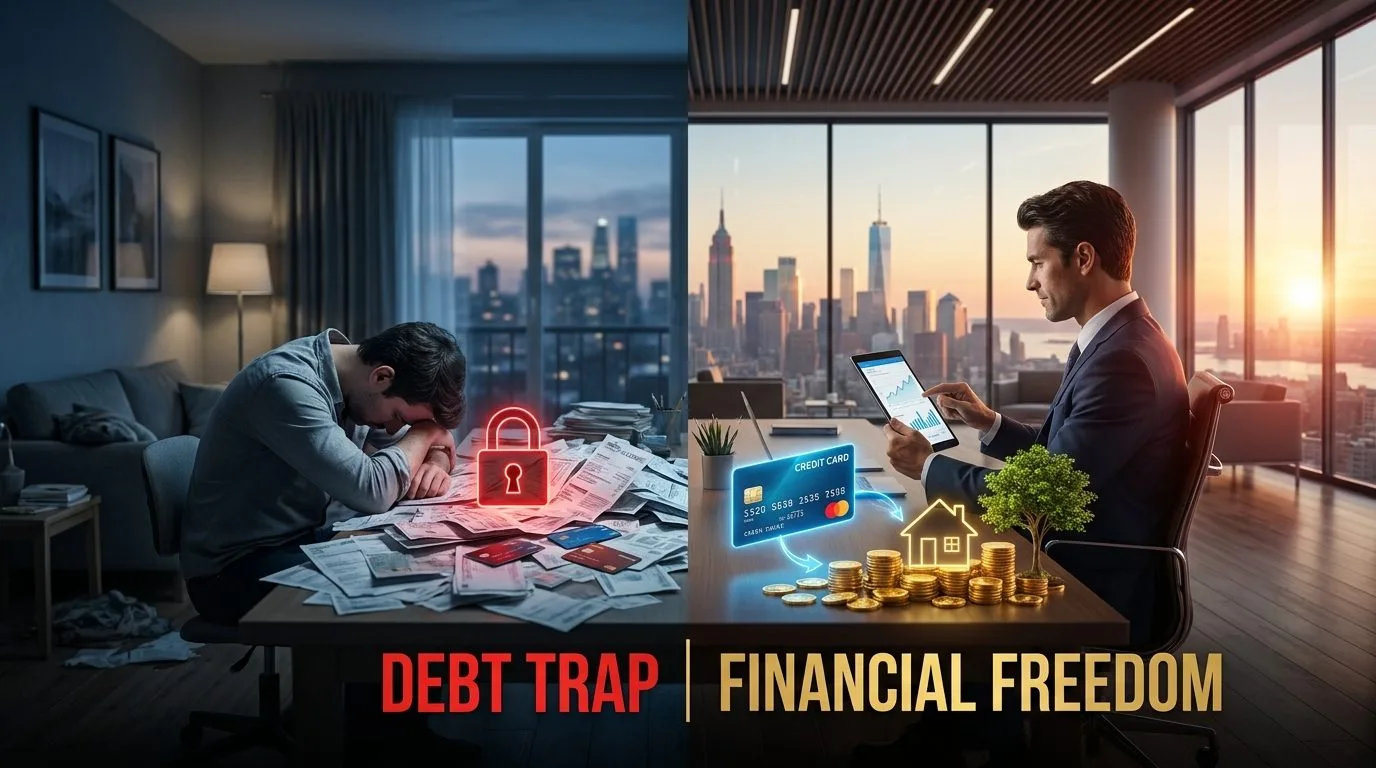
The truth about credit cards lies in how they are used. They are neither inherently good nor bad. Instead, they amplify financial behavior. Used wisely, they can enhance financial flexibility and support wealth-building strategies. Used poorly, they can lead to a cycle of debt that is difficult to escape. Understanding this distinction is essential for anyone seeking financial freedom.
Understanding How Credit Cards Really Work
At their core, credit cards are a form of short-term borrowing. When a purchase is made, the card issuer pays the merchant on behalf of the user, who then repays the issuer at a later date. If the balance is paid in full within the billing cycle, no interest is charged. However, if the balance is carried forward, interest begins to accumulate.
This structure creates both opportunity and risk. The ability to access funds instantly can be beneficial in managing cash flow and handling unexpected expenses. At the same time, the ease of borrowing can lead to overspending if not managed carefully.
Interest rates on credit cards are typically higher than other forms of credit, making it important to avoid carrying balances whenever possible. Fees, penalties, and compounding interest can quickly increase the cost of borrowing, turning small expenses into significant financial burdens.
The Illusion of Easy Money
One of the biggest challenges associated with credit cards is the illusion of easy money. The ability to make purchases without immediate payment can create a false sense of financial security. This can lead to spending beyond one’s means, as the immediate impact on cash flow is not felt.
This illusion is reinforced by rewards programs, cashback offers, and promotional incentives. While these features can provide value, they can also encourage increased spending. The psychological effect of earning rewards can make purchases feel justified, even when they are not necessary.
Over time, this behavior can lead to a disconnect between income and expenses. Individuals may find themselves relying on credit to maintain their lifestyle, creating a cycle that is difficult to break.
When Credit Cards Become a Financial Trap
Credit cards become a financial trap when they are used without discipline. Carrying balances from month to month results in interest charges that can accumulate rapidly. This increases the total cost of purchases and reduces the ability to save and invest.
Minimum payments are another factor that contributes to this trap. While they provide temporary relief, they extend the repayment period and increase the overall cost of debt. This can create a situation where individuals are constantly paying off past expenses without making progress toward financial goals.
Debt accumulation can also impact credit scores, limiting access to future financial opportunities. High levels of debt relative to income can make it more difficult to secure loans, mortgages, or other forms of credit.
Recognizing these risks is essential for avoiding the pitfalls associated with credit card use.
How Credit Cards Can Build Financial Freedom
Despite the risks, credit cards can be powerful tools for building financial freedom when used correctly. They provide flexibility, convenience, and the ability to manage cash flow effectively.
One of the key benefits is the ability to build a strong credit history. Responsible use of credit cards, including timely payments and low balances, can improve credit scores. This enhances access to better financial products, such as lower-interest loans and favorable terms.
Credit cards can also serve as a tool for financial organization. Tracking expenses through card statements provides insights into spending patterns, helping individuals make more informed decisions.
In addition, rewards programs can provide tangible benefits when aligned with regular spending. Cashback, travel points, and other incentives can add value without increasing expenses, provided that spending remains within budget.
When integrated into a broader financial strategy, credit cards can support wealth-building efforts rather than hinder them.
Smart Strategies for Using Credit Cards
Using credit cards effectively requires a disciplined approach. Paying balances in full each month is one of the most important practices, as it avoids interest charges and keeps borrowing costs at zero.
Setting clear spending limits helps maintain control over expenses. Treating credit card purchases as if they were made with cash ensures that spending remains aligned with income.
Monitoring accounts regularly is also essential. This allows individuals to track transactions, identify potential issues, and stay informed about their financial position.
Another strategy is to use credit cards for planned expenses rather than impulsive purchases. This ensures that spending is intentional and manageable.
By adopting these practices, individuals can maximize the benefits of credit cards while minimizing risks.
The Balance Between Debt and Opportunity
Financial freedom is not about avoiding credit entirely—it is about using it strategically. Credit cards represent both debt and opportunity, and finding the right balance is key to achieving long-term success.
For many individuals, the journey to financial freedom involves shifting their perspective on money. Instead of viewing credit as an extension of income, it should be seen as a tool that supports financial goals.
This shift requires discipline, awareness, and a commitment to continuous improvement. It involves understanding the true cost of borrowing and making decisions that align with long-term objectives.
In 2026, financial tools are more accessible than ever, but so are the risks associated with misuse. Companies like Mint Capital Investment emphasize the importance of structured financial strategies, helping individuals and businesses manage their finances effectively and make informed decisions.
Ultimately, the truth about credit cards is simple: they do not determine financial success—behavior does. By using credit responsibly and integrating it into a broader financial plan, individuals can turn a potential liability into a powerful asset.
Financial freedom is achievable, but it requires intentional action. Credit cards can either support or hinder this journey. The outcome depends on the choices made along the way.
The decision is yours: will credit cards be a tool for growth or a source of limitation? Understanding their true impact is the first step toward making the right choice.