Bitcoin as a Global Reserve Asset in 2026: From Speculation to Strategic Power
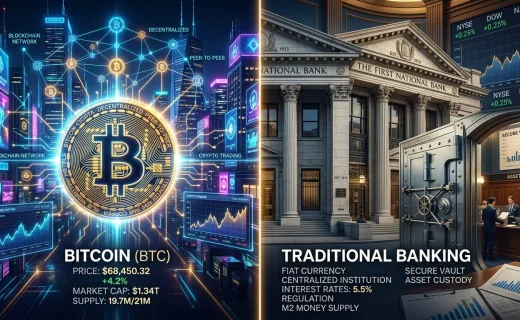
In 2026, Bitcoin stands at the threshold of a historic transformation. Once dismissed as a speculative digital experiment, it is now being seriously considered as a global reserve asset. This shift marks a profound change in the way governments, institutions, and investors perceive value, security, and financial sovereignty. As the global financial system evolves under pressure from inflation, geopolitical tensions, and technological disruption, Bitcoin is emerging as a compelling alternative to traditional reserve assets such as gold and fiat currencies.
The Evolution of Bitcoin into a Reserve Asset
Bitcoin’s journey from an obscure digital currency to a potential global reserve asset has been marked by cycles of volatility, innovation, and growing adoption. In its early years, Bitcoin was primarily associated with niche communities and speculative trading. However, over time, its underlying principles of decentralization, transparency, and scarcity have gained recognition as powerful attributes in an increasingly uncertain financial world.
By 2026, Bitcoin’s fixed supply of 21 million coins has become one of its most attractive features. In contrast to fiat currencies, which can be printed indefinitely, Bitcoin offers a predictable and transparent monetary policy. This scarcity has led to comparisons with gold, traditionally regarded as the ultimate store of value. Yet Bitcoin’s digital nature provides advantages that go beyond what physical assets can offer.
Why Governments Are Considering Bitcoin Reserves
Governments around the world are beginning to explore the possibility of holding Bitcoin as part of their national reserves. This interest is driven by a combination of economic and strategic factors. In an era of rising inflation and currency devaluation, Bitcoin presents an opportunity to diversify reserve portfolios and reduce reliance on traditional fiat systems.
Additionally, geopolitical tensions and the increasing fragmentation of the global financial system have highlighted the risks associated with centralized monetary control. Bitcoin, as a decentralized asset, offers a level of independence that is particularly appealing to countries seeking to enhance their financial sovereignty. While adoption remains cautious, the conversation around Bitcoin reserves is gaining momentum.
Bitcoin vs Gold: The Digital Store of Value Debate
The comparison between Bitcoin and gold is central to the discussion of Bitcoin as a global reserve asset. Gold has served as a store of value for thousands of years, providing stability and trust in times of economic uncertainty. However, Bitcoin introduces a new paradigm with its digital, borderless, and easily transferable nature.
In 2026, the debate is no longer about whether Bitcoin can coexist with gold but whether it can surpass it. Bitcoin’s portability, divisibility, and transparency give it a distinct advantage in a digital economy. Unlike gold, which requires physical storage and transportation, Bitcoin can be transferred across the globe in minutes. This efficiency is particularly valuable in a world where speed and accessibility are critical.
Institutional Adoption and Strategic Accumulation
Institutional adoption has played a crucial role in Bitcoin’s evolution into a potential reserve asset. Major financial institutions, including banks, hedge funds, and asset managers, have integrated Bitcoin into their portfolios. This trend has been accompanied by the development of regulated financial products, such as exchange-traded funds and custody services, which make Bitcoin more accessible to traditional investors.
Strategic accumulation by institutions and corporations has also contributed to Bitcoin’s growing legitimacy. Companies are increasingly viewing Bitcoin as a hedge against inflation and a means of preserving value over the long term. This shift in perception is reinforcing Bitcoin’s position as a credible asset in the global financial system.
The Role of Bitcoin in Global Monetary Systems
As Bitcoin gains recognition as a reserve asset, its role in the global monetary system is becoming more significant. While it is unlikely to replace fiat currencies entirely, Bitcoin is emerging as a complementary asset that can enhance financial stability and diversification.
In 2026, some countries are experimenting with integrating Bitcoin into their monetary frameworks, either as a legal tender or as part of their reserve holdings. These initiatives reflect a broader trend toward the digitization of finance and the exploration of alternative monetary systems. Bitcoin’s decentralized nature allows it to operate independently of traditional financial institutions, providing a unique layer of resilience.
Benefits of Bitcoin as a Reserve Asset
Bitcoin offers several benefits that make it an attractive candidate for reserve asset status. Its scarcity ensures that it cannot be manipulated through inflationary policies, providing a stable store of value over time. Its digital nature allows for efficient storage and transfer, reducing logistical challenges associated with physical assets.
Moreover, Bitcoin’s transparency and security are enhanced by blockchain technology, which records all transactions in a decentralized and immutable ledger. This level of transparency builds trust and reduces the risk of fraud, making Bitcoin a reliable asset for long-term holding.
Risks and Challenges Facing Bitcoin Adoption
Despite its potential, Bitcoin faces several challenges that could impact its adoption as a global reserve asset. Volatility remains a significant concern, as price fluctuations can undermine its stability. Regulatory uncertainty is another major factor, as governments seek to establish frameworks that balance innovation with control.
Additionally, the environmental impact of Bitcoin mining continues to be a topic of debate. While advancements in renewable energy and more efficient mining practices are addressing these concerns, they remain an important consideration for policymakers and investors.
Regulatory Landscape and Geopolitical Impact
The regulatory environment surrounding Bitcoin is evolving rapidly. Governments are working to create policies that ensure security and compliance while supporting innovation. This balancing act is critical to Bitcoin’s long-term success as a reserve asset.
Geopolitically, Bitcoin has the potential to reshape global power dynamics. Countries that adopt Bitcoin early may gain a strategic advantage, while those that resist may find themselves at a disadvantage in a digital economy. This shift is creating a new dimension of competition in the global financial landscape.
Central Banks and the Shift Toward Digital Assets
Central banks are increasingly exploring digital currencies and blockchain technology. While many are focused on developing central bank digital currencies (CBDCs), Bitcoin remains a unique and decentralized alternative. In 2026, the coexistence of CBDCs and Bitcoin is shaping a hybrid financial system that combines centralized and decentralized elements.
This shift reflects a broader recognition of the importance of digital assets in the future of finance. Central banks are adapting to this new reality, even as they seek to maintain control over monetary policy.
The Future of Global Reserves in a Bitcoin Era
Looking ahead, the role of Bitcoin as a global reserve asset is likely to continue evolving. While challenges remain, its potential to transform the financial system is undeniable. As adoption increases and technology advances, Bitcoin may become an integral part of global reserve strategies.
In this emerging landscape, diversification will be key. Rather than replacing traditional assets entirely, Bitcoin is likely to complement them, providing a new layer of security and flexibility. For governments, institutions, and investors, the rise of Bitcoin represents both an opportunity and a challenge.
Ultimately, the question is not whether Bitcoin will become a global reserve asset, but to what extent it will influence the future of finance. In 2026, the foundations of this transformation are already in place, signaling a new era in the global monetary system.