The Evolution of the Crypto Market Toward 2027
The future of crypto market in 2027 is expected to be defined by maturity, wider adoption, and stronger integration with the global financial system. Over the past decade, cryptocurrencies have evolved from a niche concept into a global financial phenomenon that continues to reshape how people think about money, value, and transactions. What began with Bitcoin has now expanded into an entire ecosystem of digital assets, decentralized applications, and blockchain-based financial services.
By 2027, the crypto market is likely to move beyond speculation and into a more structured and regulated environment. Governments and financial institutions are increasingly recognizing the importance of digital assets, leading to clearer regulatory frameworks that aim to protect investors while encouraging innovation. This shift is expected to reduce volatility over time and create a more stable foundation for long-term growth.
Institutional Adoption Driving Market Growth
One of the most significant factors shaping the future of crypto market in 2027 is the continued rise of institutional adoption. Large financial institutions, hedge funds, and corporations are increasingly allocating capital to digital assets as part of diversified investment strategies. This trend is expected to accelerate as more traditional players enter the market and develop infrastructure to support crypto trading, custody, and compliance.
Institutional involvement brings not only capital but also credibility and stability. As major banks and asset managers integrate crypto into their offerings, the market becomes more accessible to a broader audience. This increased participation is likely to drive liquidity, reduce extreme price fluctuations, and support sustained growth over time.
At the same time, institutional adoption is encouraging the development of more sophisticated financial products, including crypto-based funds, derivatives, and structured investment vehicles. These innovations are making it easier for both retail and professional investors to gain exposure to digital assets in a controlled and regulated manner.
The Role of Regulation in Shaping the Market
Regulation is expected to play a central role in the future of crypto market in 2027. While the early years of cryptocurrency were characterized by minimal oversight, the increasing scale and importance of the market have prompted governments to take a more active approach. By 2027, many countries are likely to have established comprehensive regulatory frameworks that address issues such as taxation, anti-money laundering, and investor protection.
These regulations are not necessarily a negative development. On the contrary, they can provide the clarity and security needed to attract more participants to the market. Investors who were previously hesitant due to regulatory uncertainty may feel more confident entering the space once clear guidelines are in place. This could lead to a significant increase in adoption and investment activity.
However, regulation also presents challenges. Different countries may adopt varying approaches, creating a complex global landscape that investors must navigate carefully. Understanding these regulatory differences and staying compliant will be essential for anyone looking to participate in the crypto market in 2027.
Technological Innovation and Blockchain Advancements
Technology remains at the core of the crypto market’s evolution. By 2027, advancements in blockchain technology are expected to address many of the limitations that currently exist, such as scalability, transaction speed, and energy efficiency. These improvements will make blockchain networks more practical for everyday use and support the growth of decentralized applications.
The rise of decentralized finance, often referred to as DeFi, is another major trend that will continue to shape the market. DeFi platforms allow users to access financial services such as lending, borrowing, and trading without relying on traditional intermediaries. This innovation has the potential to democratize finance and provide access to financial services for millions of people around the world.
In addition, the integration of blockchain technology with other emerging technologies such as artificial intelligence and the Internet of Things could create entirely new use cases. These developments are likely to expand the scope of the crypto market beyond financial transactions and into areas such as supply chain management, digital identity, and data security.
The Growing Importance of Stablecoins and Digital Currencies
As the crypto market matures, stablecoins and central bank digital currencies are expected to play an increasingly important role. Stablecoins, which are pegged to traditional currencies, offer a way to reduce volatility while maintaining the benefits of digital assets. They are already widely used for trading and transactions, and their importance is likely to grow in the coming years.
Central banks around the world are also exploring the development of digital currencies. These government-backed digital assets could coexist with decentralized cryptocurrencies, creating a hybrid financial system that combines the advantages of both. By 2027, the interaction between these different types of digital currencies will be a key factor in shaping the overall market landscape.
Risks and Challenges in the Crypto Market
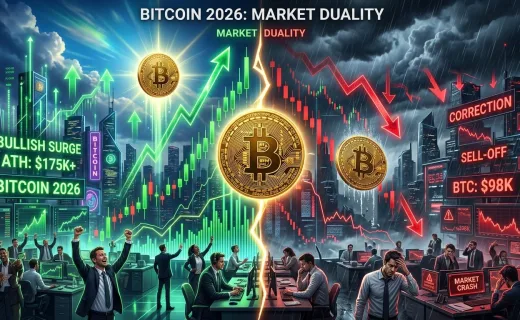
Despite its potential, the crypto market is not without risks. Volatility remains a significant concern, as prices can fluctuate rapidly based on market sentiment, regulatory developments, and macroeconomic factors. Security is another important issue, with cyber threats and hacking incidents posing risks to investors.
Additionally, the rapid pace of innovation can make it difficult for investors to keep up with new developments. Projects that appear promising may fail, and new technologies may render existing solutions obsolete. As a result, thorough research and careful decision-making are essential for navigating the crypto market.
Investors must also be aware of the potential for regulatory changes, which can impact market dynamics and investment strategies. Staying informed and adapting to new conditions will be critical for success in the evolving crypto landscape.
How Financial Platforms Are Supporting Crypto Investors
As the crypto market grows, the need for reliable financial infrastructure becomes increasingly important. Investors require secure platforms that provide access to both traditional and digital assets, allowing them to manage their portfolios efficiently. This includes the ability to move funds seamlessly between fiat and crypto, as well as access to advanced financial services.
Companies like Mint Capital Investment are positioned to support this evolution by offering solutions that bridge traditional finance and digital assets. By providing access to global banking services and integrated financial tools, such platforms enable investors to operate more effectively in a rapidly changing environment.
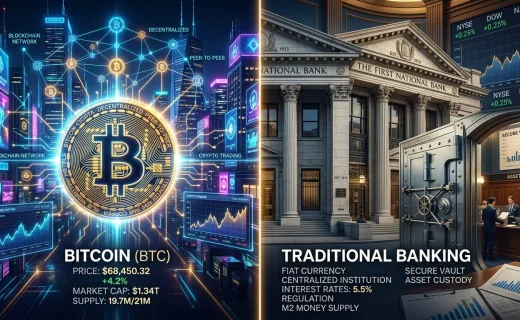
The integration of crypto with traditional financial systems is likely to be one of the defining features of the market in 2027. Investors who take advantage of these integrated solutions may find it easier to manage risk, diversify their portfolios, and capitalize on new opportunities.
The Future Outlook for Crypto Investors
Looking ahead, the future of crypto market in 2027 presents both exciting opportunities and significant challenges. The market is expected to become more mature, regulated, and widely adopted, creating a more stable environment for investment. At the same time, ongoing innovation will continue to introduce new possibilities and reshape the financial landscape.
For investors, success will depend on the ability to adapt to change, stay informed about market developments, and make strategic decisions based on a clear understanding of risks and opportunities. Diversification, long-term thinking, and a willingness to embrace new technologies will be key factors in achieving positive outcomes.
Ultimately, the crypto market is likely to play an increasingly important role in the global financial system. As digital assets become more integrated into everyday life, they have the potential to transform how people store, transfer, and grow wealth.