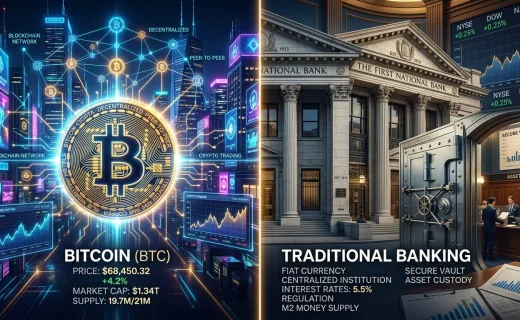
Why Institutions Are Quietly Buying Crypto Again
In 2026, the cryptocurrency market is experiencing a subtle yet significant shift. While headlines may focus on retail speculation or short-term price movements, a quieter trend is unfolding behind the scenes. Institutional investors—hedge funds, asset managers, and financial institutions—are once again entering the crypto market. This time, however, they are doing so with a more strategic and measured approach.
The return of institutional crypto investment is not driven by hype. It reflects a deeper understanding of digital assets and their role in the evolving financial system. For institutions, crypto is no longer an experimental asset class. It is becoming a strategic component of diversified portfolios, offering opportunities for growth, hedging, and innovation.
The Return of Institutional Crypto Investment
Institutional interest in crypto is not new. Previous cycles saw significant inflows as large investors sought to capitalize on rapid market growth. However, market volatility and regulatory uncertainty led to periods of caution.
In 2026, the landscape has changed. Institutions are returning with greater confidence, supported by improved infrastructure and clearer regulatory frameworks. This renewed interest is evident in increased allocations to digital assets and the development of new financial products.
The difference this time lies in the approach. Instead of making large, highly visible moves, institutions are accumulating positions gradually. This strategy allows them to manage risk while positioning themselves for long-term growth.
Why Institutions Are Moving Quietly
One of the most intriguing aspects of this trend is the lack of public attention. Institutional investors are known for their ability to move markets, yet their current activity is relatively discreet. This is not accidental.
Moving quietly allows institutions to build positions without significantly impacting prices. Large-scale purchases can drive prices upward, reducing potential returns. By operating under the radar, institutions can accumulate assets more efficiently.
Additionally, a low-profile approach minimizes market speculation. Public announcements can attract retail investors and create volatility, which may not align with institutional strategies. By maintaining discretion, institutions can execute their plans with greater control.
This behavior reflects a level of sophistication that distinguishes institutional investors from other market participants. It underscores the importance of strategy and timing in the world of digital assets.
The Role of Regulation and Market Maturity
Regulation has played a crucial role in shaping the current environment. In earlier years, the lack of clear guidelines created uncertainty, deterring institutional participation. In 2026, regulatory frameworks are more defined, providing a level of clarity that encourages investment.
Compliance standards have improved, and regulatory bodies are increasingly recognizing the importance of digital assets. This has led to the development of policies that balance innovation with investor protection.
Market maturity is another key factor. The crypto ecosystem has evolved significantly, with advancements in technology, security, and infrastructure. These improvements have addressed many of the concerns that previously limited institutional involvement.
As a result, crypto is now seen as a more stable and reliable asset class, making it attractive to long-term investors.
Bitcoin and Digital Assets as Strategic Holdings
Bitcoin continues to play a central role in institutional crypto investment. Often referred to as digital gold, it is viewed as a store of value and a hedge against inflation. Its limited supply and decentralized nature make it an appealing asset in uncertain economic conditions.
Beyond Bitcoin, other digital assets are gaining attention. Ethereum and blockchain-based projects offer additional opportunities, particularly in areas such as decentralized finance and smart contracts.
Institutions are not simply investing in individual assets—they are building diversified crypto portfolios. This approach allows them to capture growth across different segments of the market while managing risk.
The inclusion of digital assets in institutional portfolios reflects a broader shift in how value is perceived and stored. It highlights the growing importance of technology in the financial system.
Infrastructure and Institutional-Grade Solutions
The development of institutional-grade infrastructure has been a major catalyst for the return of large investors. Custody solutions, secure exchanges, and advanced trading platforms provide the reliability and security required by institutions.
These solutions address critical concerns such as asset protection, compliance, and operational efficiency. They enable institutions to manage digital assets with the same level of confidence as traditional investments.
Financial service providers are also playing a key role in bridging the gap between traditional finance and crypto. Companies like Mint Capital Investment are exploring integrated solutions that combine global banking services with access to digital assets, creating a seamless investment experience.
This integration is essential for the continued growth of the crypto market. It ensures that institutions have the tools and support needed to participate effectively.
What This Means for the Future of Crypto
The quiet return of institutional investors signals a new phase in the evolution of the crypto market. It suggests that digital assets are moving beyond speculation and becoming a fundamental part of the global financial system.
For the market, this trend brings increased liquidity, stability, and credibility. Institutional participation can reduce volatility over time and support sustainable growth.
For individual investors, it provides valuable insights. Following the movements of institutional capital can help identify trends and opportunities. However, it is important to recognize that institutional strategies are often long-term and may not align with short-term market dynamics.
The future of crypto will be shaped by a combination of innovation, regulation, and investment. Institutions will play a significant role in this process, influencing how the market develops and evolves.
In 2026, the question is not whether institutions will invest in crypto—it is how they will do so and what impact their actions will have. The quiet accumulation of digital assets is a clear indication that the smart money is positioning itself for the future.
As the market continues to mature, the gap between early adopters and late entrants will widen. Those who understand the significance of institutional crypto investment and act accordingly will be better positioned to benefit from the opportunities ahead.
The message is clear: while the noise of the market may capture attention, the real story often unfolds in silence. Institutions are buying crypto again—and they are doing it with purpose.